Here are a few things on my mind lately about becoming a hiker that I had to figure out the hard way. Some things nobody told me about at all and some things that I had to unlearn after years of absorbing garbage from people who had decided there was only one right way to do this. You can thank me some day out on the trail if any of this resonates with you! 😉
1. Your neck of the woods is far more beautiful and exciting then you know! You don’t have to travel to exotic places to be a “real” hiker!
Let me tell you where the name An Ordinary Odyssey came from. It came from years of my life where I was broke, burnt out, physically sick, and living in a city that felt like it was slowly strangling me. I didn’t have money for flights or gear or road trips to national parks then. I had barely enough money to fill my gas tank to get to my three jobs, a pair of poorly fitting Goodwill sneakers, and a deep, desperate need to find something green and alive and quiet. And for a long time, I convinced myself it wasn’t there. Every obvious place I went to was teeming with people and litter and car horns and invasive bramble and more people. So I told myself that wilderness was somewhere else. That people like me, in places like mine, just didn’t have access to that.
I was wrong. I was so completely wrong, and figuring that out changed my life.
The wilderness was there the whole time. I just had to stop assuming it wasn’t and go look for it. Out of desperation, I started really exploring the parks and preserves and hidden green spaces near where I lived. I found them in tons of unexpected places throughout the city by heading out earlier in the day and taking the little footpaths into wild corners. These were pockets of clarity for me in those first insane years in the city where nothing ever went right. It was an incredibly hard time for me and back then I didn’t even realize how much those nooks and crannies really carried the weight of my limping mental health.
What really drove it home to me was when I walked the same park almost every single day during COVID for months on end and I am not exaggerating when I say it kept me sane. It kept me tethered to something real when everything else felt like it was dissolving into chaos. I learned that park in a way I never would have if I’d only visited it once on a pretty day to walk the main loop and never returned. I watched it change month by month, season by season. I found corners of it I hadn’t known existed even after years of living nearby, including the perfect tree to sit against and read and a hidden pond off the back of a series of deer trails where no one else ever wandered. An ordinary place became something I understood deeply, and that depth was its own kind of extraordinary. Ever since I was little, I have dreamed of traveling to far off, exotic places. I dreamed of going on quests to find rare animals and see all the natural wonders of the word. While that is still a dream, I am now far more content with the every day and I see those things as their own sort of quest. Hence, An Ordinary Odyssey.
I have since been in many cities and many states, including the ones people dismissively call flyover country — nothing but corn and oceans of grass and nothing else to see. That’s lazy thinking and I won’t entertain it. There is something to find everywhere if you are willing to go looking. Pockets of genuine, stunning nature exist in places people have written off entirely. Prairie ecosystems that most people drive past without a second thought are actually ancient and complicated and breathtaking if you slow down and pay attention. A bend in a little stream can provide one of the most profoundly peaceful experiences in your whole life. Returning to the same trail in the same stretch of woods season after season can reveal tiny, profound miracles you might have missed the first ten times you passed it by. You do not NEED a mountain or a coastline or an iconic waterfall to have a meaningful experience outside. Those things are great, don’t get me wrong. I seek them out all the time. But if you don’t have access to them now, don’t let that stop you from getting out there and exploring!
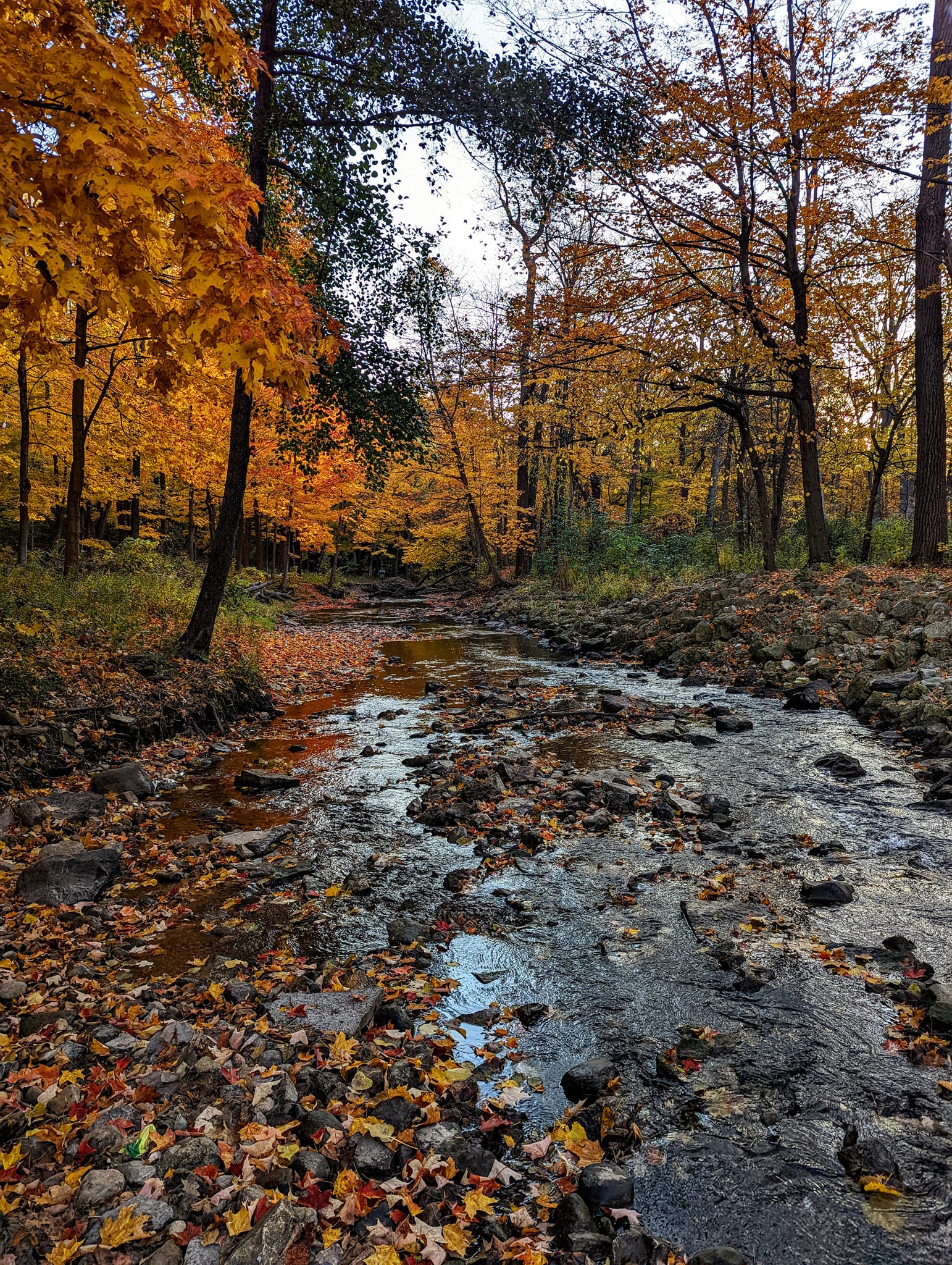
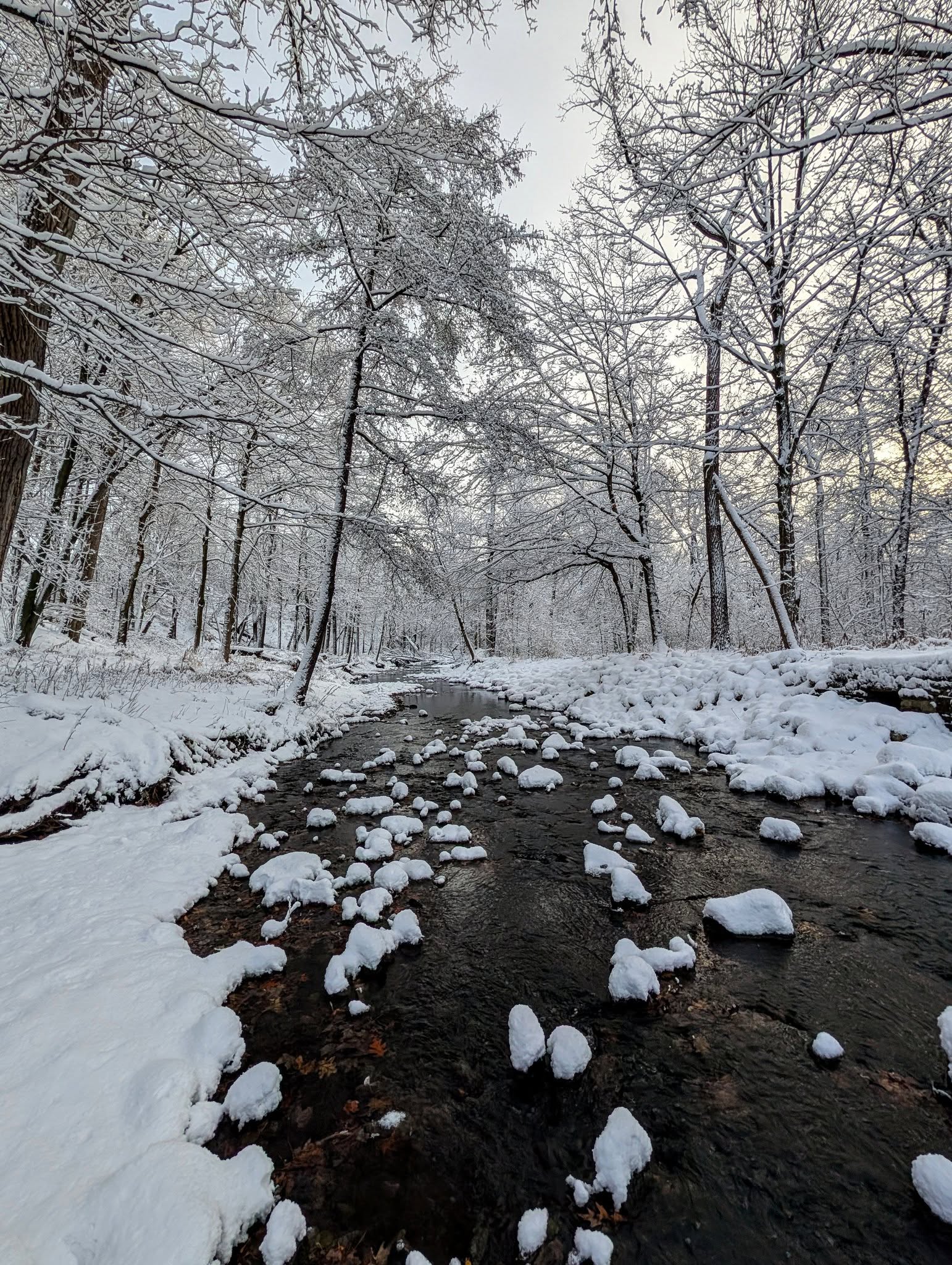
I also want to be direct about something: I recognize that I have privileges others don’t, and I’m not pretending that access to green space is equal or fair across all communities. It isn’t. But I also spent years with very little money and very limited options, telling myself there was no point in trying. I don’t want that for you. You are a valid hiker if you never leave your city. You are a valid outdoorswoman if your entire hiking life takes place within twenty miles of your front door. The goal is not to bag every peak. The goal is to get outside and let nature do its work in you. And that can happen anywhere, at any time, if you let it.
2. Hike Your Own Hike! The difference between what “counts” as a Hike and what is just a Walk is whatever YOU decide it is!
This comes up constantly in hiking communities online and it drives me absolutely up a wall. Someone posts a photo they’re proud of, of themselves finally completing something they are proud of, and there is always someone in the comments ready to inform them that what they did was actually just a walk. It wasn’t technical enough. It wasn’t long enough. The elevation gain wasn’t sufficient. It’s not a hike if it was on pavement. It’s called walking if you never leave the city.
Blah blah blah.
This is nonsense and I want you to stop listening to it immediately.
Here is the reality: we all have different bodies, different abilities, different starting points, different financial situations, different geography, and different goals. A one-mile paved loop with a gentle incline might be a genuine physical achievement for someone coming back from a knee injury, managing a chronic illness, or just getting off the couch for the first time in years. That is a hike. That counts. The person crushing a twenty-mile ridge traverse in Colorado and the person walking a flat nature path near a suburban pond are both doing something real and worth doing. Neither of them gets to tell the other they’re doing it wrong. If you want to call it a hike, a walk, a saunter, a stroll, an odyssey? Go for it. It’s YOUR experience.
The phrase “Hike Your Own Hike” exists for a reason. It seems to have been around forever and I mostly hear it applied in the long-distance trail community when people are debating if they can cut road walks, skip a section because of an unforeseen circumstance, or something like that. On the National Ice Age Scenic Trail in Wisconsin, the trail isn’t contiguous so there are many road walks. Some purists say you have to hike every single mile of road walk for it to “count.” Others say to just Hike Your Own Hike! Skip those miles if it feels right to you and go on to the nature segments. If missed a 1.2 mile segment and it’s really hard for you to get all the way across the state, you can count it done if you want to move on to other things! It’s your journey! And I think it applies everywhere. Make your own definition. Set your own bar. And when you hit it, let yourself feel good about it without waiting for external validation that may never come. It doesn’t matter.
There’s a caveat, sure. If you’re pursuing an official designation or membership with a specific program, yeah, you have to play by their rules. If you want to be counted as an official Thousand Miler with the Ice Age Trail Alliance, you need to have hiked all the road walks. That’s the deal you make when you apply for your certificate. But outside of that? It’s up to you what “counts” because YOU are the only one counting those steps every day! No one else is in your shoes and in your mind. So stop using their definition.
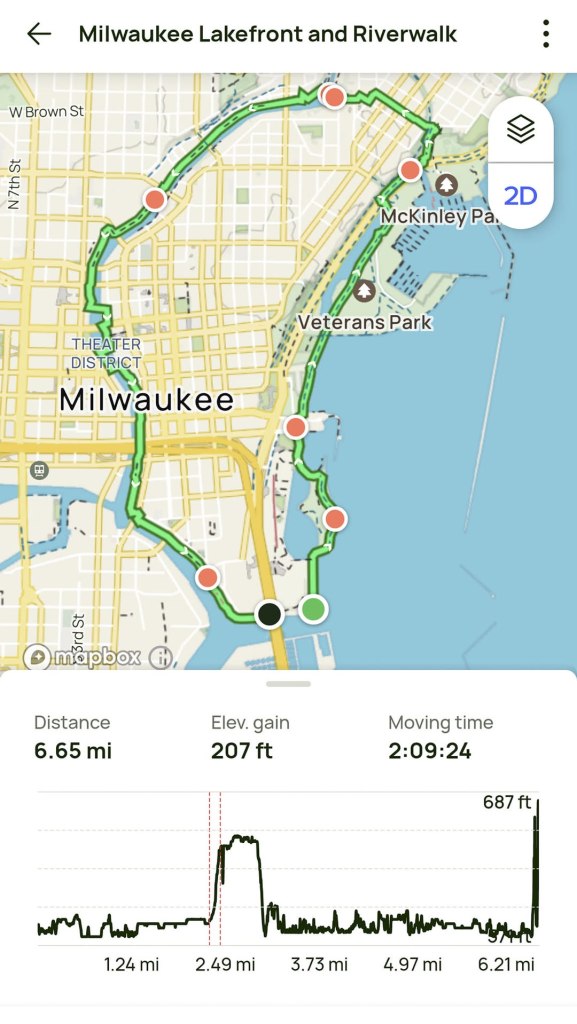
Milwaukee Riverwalk – entirely paved, entirely urban. I stopped at two coffee shops. Still counts! 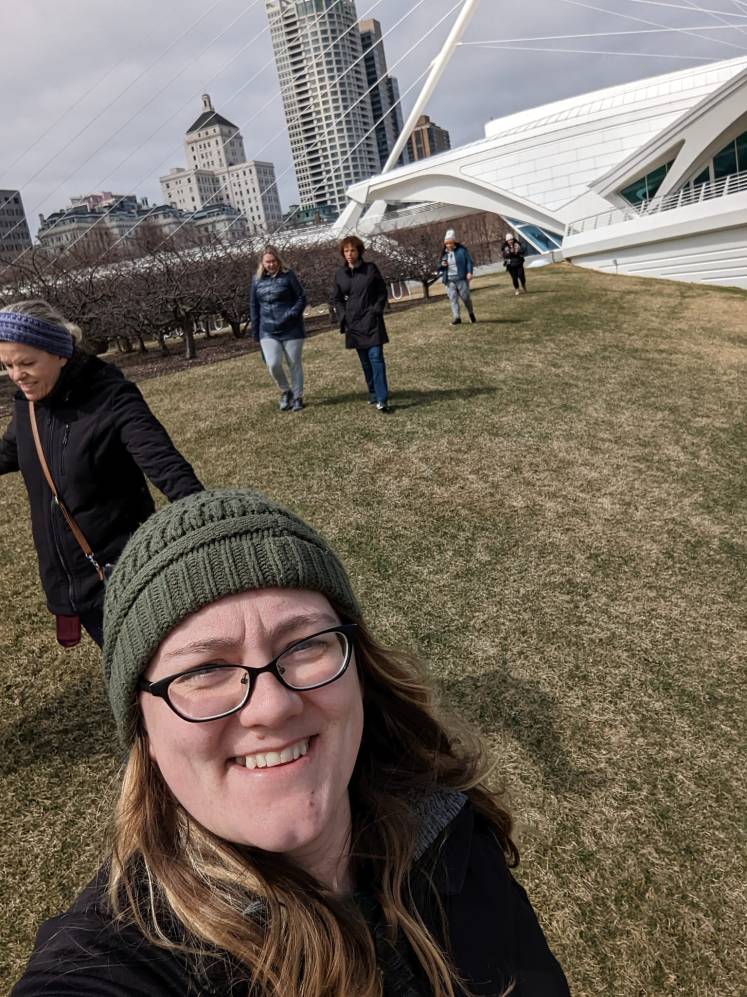
Milwaukee Lakefront Hike with a Facebook hiking group. It counts! 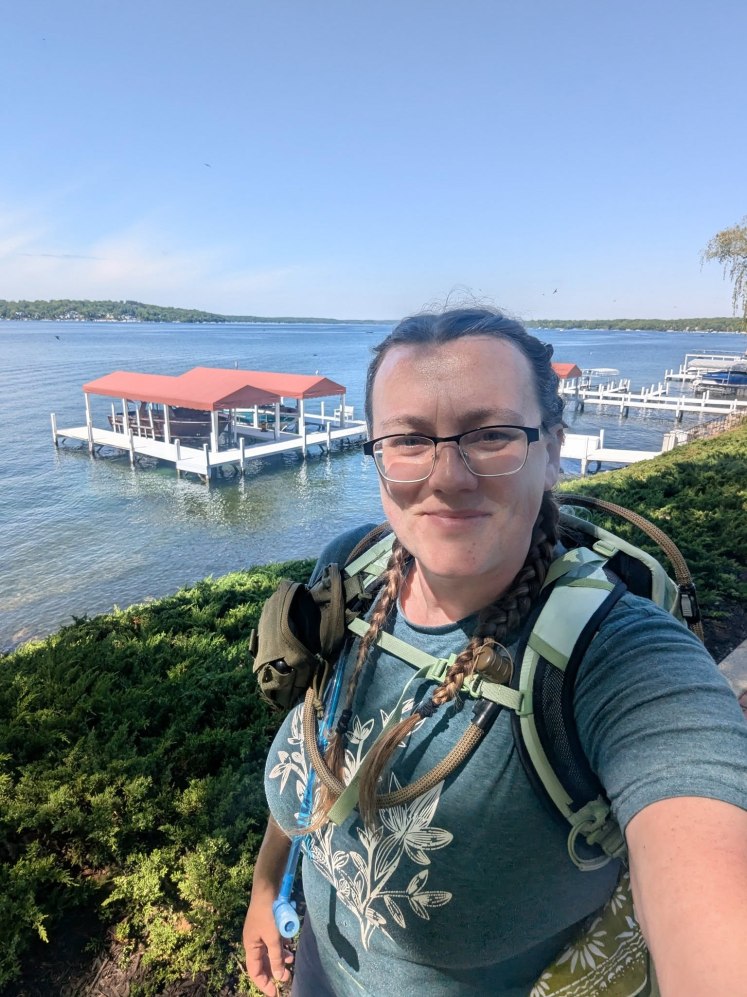
Lake Geneva Shore Path. You are always steps away from literal mansions and ice cream shops. It. Counts. 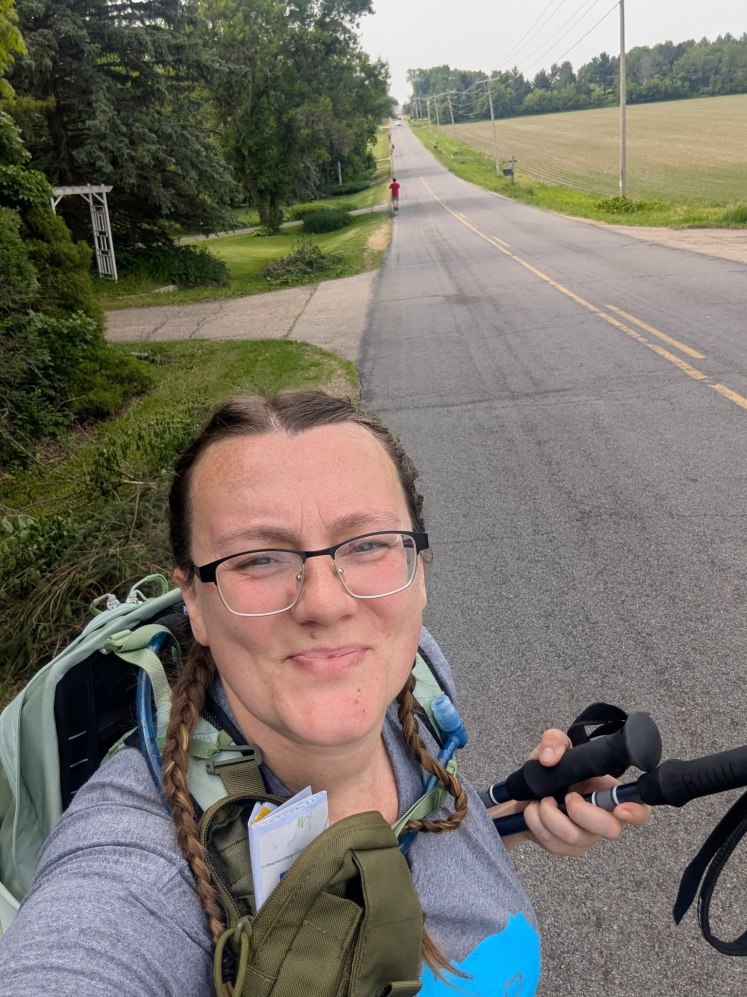
Endless road walks to connect trails are a special kind of hell. You BET they count! 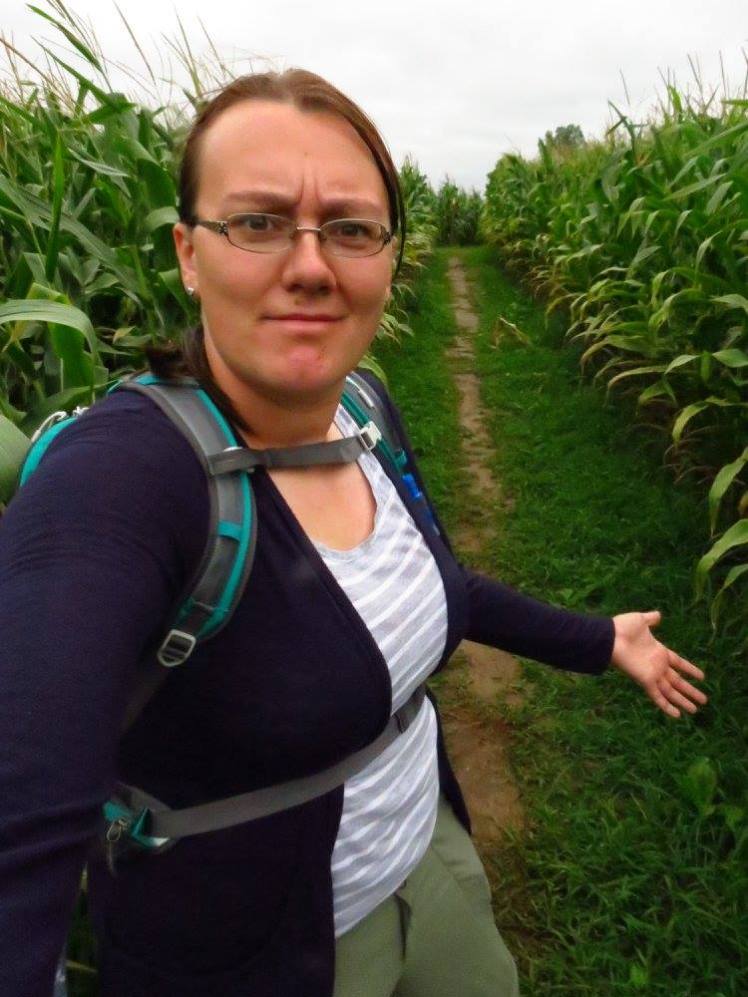
I’m hiking through a corn field. A literal CORN FIELD. And it counts.
3. The way your body looks and the amount it weights have almost NOTHING to do with your trail performance!
Weight is a loaded topic and I know that. I’m not your doctor and I’m not here to tell you what your body should look like. But I am going to say something that took me a while to fully believe, because diet culture has done a thorough job of making us think otherwise: the size and shape of your body is one of the least useful predictors of how well you’ll perform on a trail.
What actually matters? The resilience of your knees and ankles. Your lung capacity on a steep climb. Whether your hips have the strength and flexibility to carry you mile after mile without breaking down. Your back holding up under the weight of your pack without punishing you for three days afterward. If you can recover from tripping over a root. If you can get out of bed the next day without pain! These things do not live in your pants size. They live in how you train, how you move, and how you take care of yourself. People of almost any size can be strong, capable, resilient hikers, and plenty of people with bodies that look like the supposed ideal have problems with ALL of those things! Being thin is not the same as being fit and healthy.
Here’s a thing people don’t talk about enough, and it’s actually a little funny when you do the math: backpack weight recommendations are typically set at around 15% of your body weight. That means a 120lb person is working with an 18lb pack for a multi-day trip. Try fitting three days of food, water, shelter, and clothing into 18lbs without going full obsessive ultralight mode (why costs a lot of money and a lot of comfort!). Meanwhile, someone who weighs 210lbs can comfortably carry 31lbs. That’s not a huge benefit that rarely gets acknowledged in a culture that treats smaller bodies as more worthy. Yes, this is a bit deriviative. The 15% is a very basic guideline and there is nuance. But I’m not here to debate that, you get my point!
The shift I want to invite you into is this: stop measuring your worth as an outdoorswoman by how your body looks and start measuring it by what your body can do. That means building muscle, which may actually mean gaining weight in the long run. It means training for functional movement and balance and endurance. It means eating enough and eating well so you have the fuel to go the distance. This kind of thinking will serve you on the trail in ways that chasing a number on a scale or a pants size in the department store never will. When I started to train for a solo backpacking trip in the Grand Canyon, I had no choice but to stop chasing looks. I instead started thinking more about how my knees were gonna survive the punishing 4,000+ft descent with the ability to turn around and climb back out again! That put me into a whole new world and relationship with my body, with exercise, and with nutrition, and I will always be grateful for that gift.
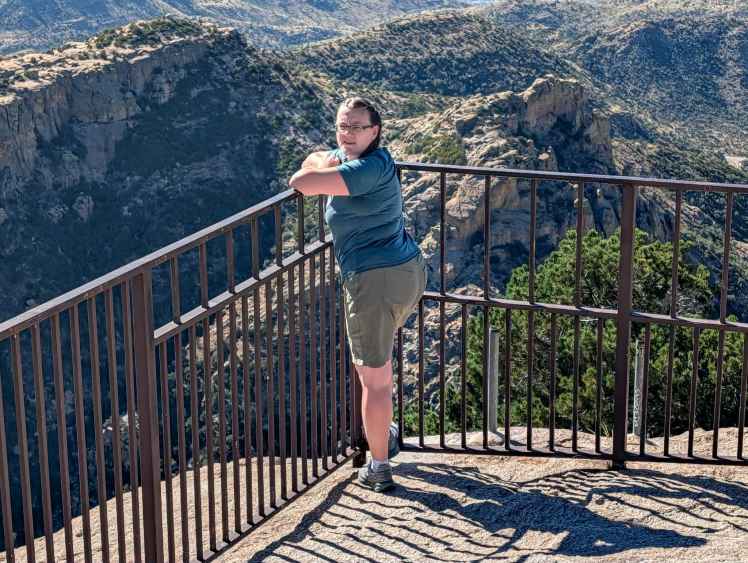
I have so many flattering hiking pics. This is NOT one of them! 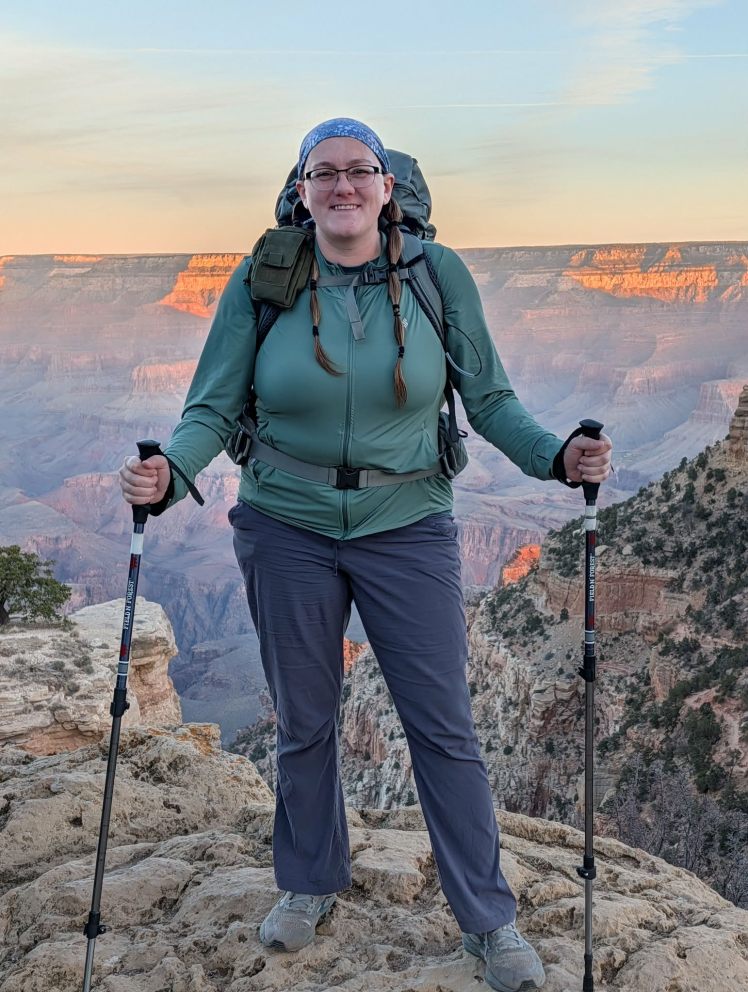
But 7 days later, that body carried me and my bag alone into the Grand Canyon for three mesmerizing days. 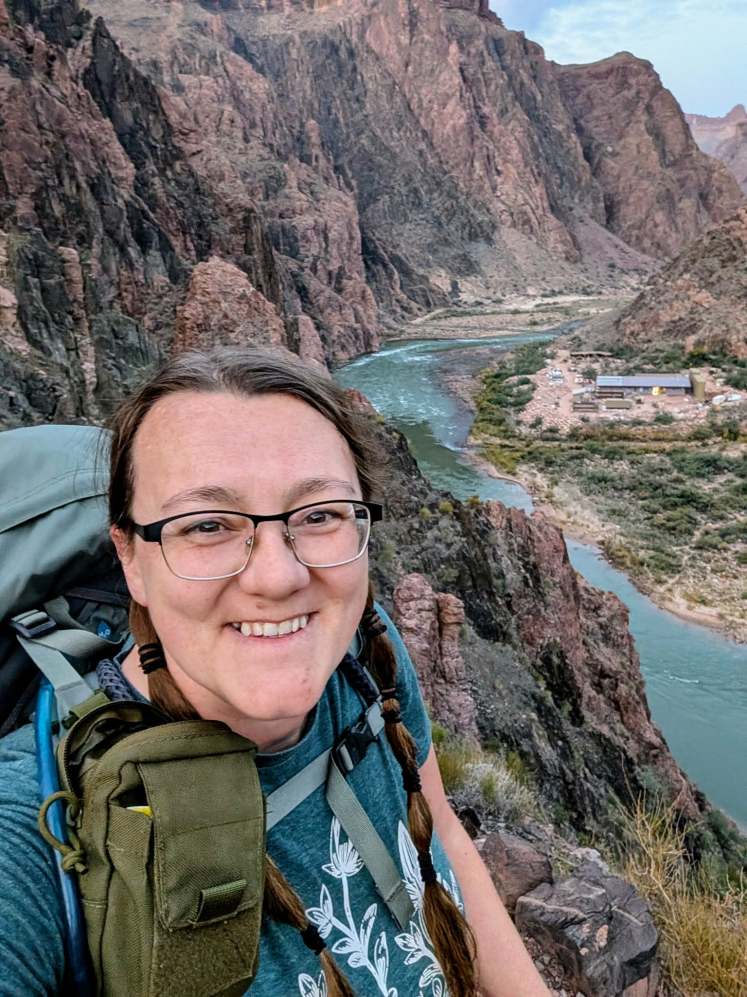
It took me to the bottom… 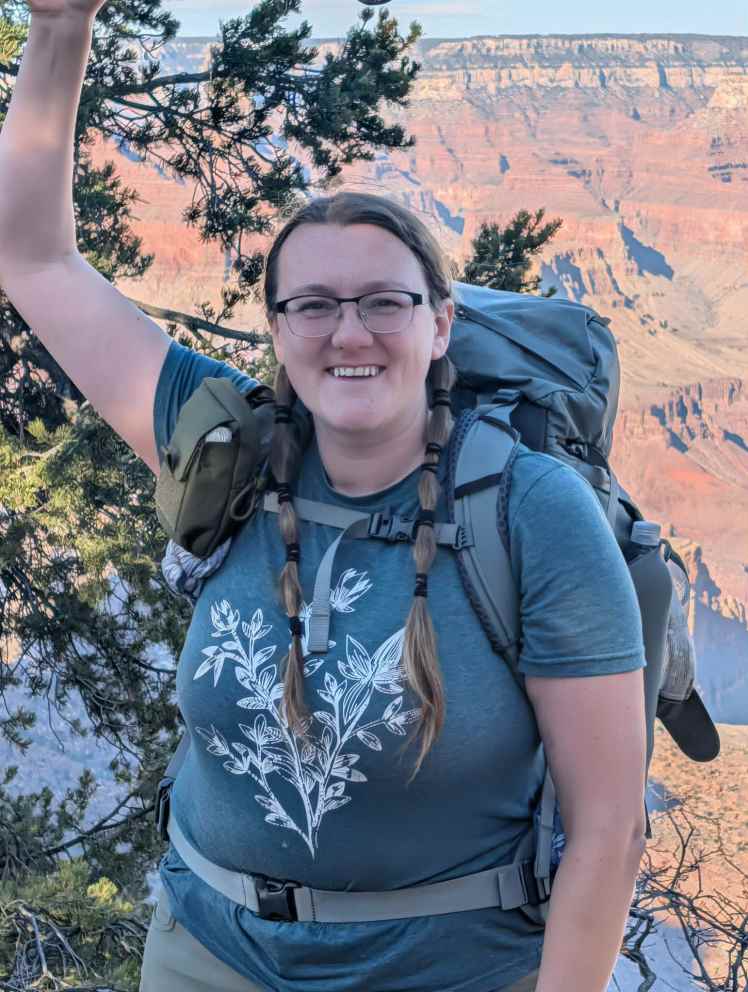
….and all the way bak out to the top! 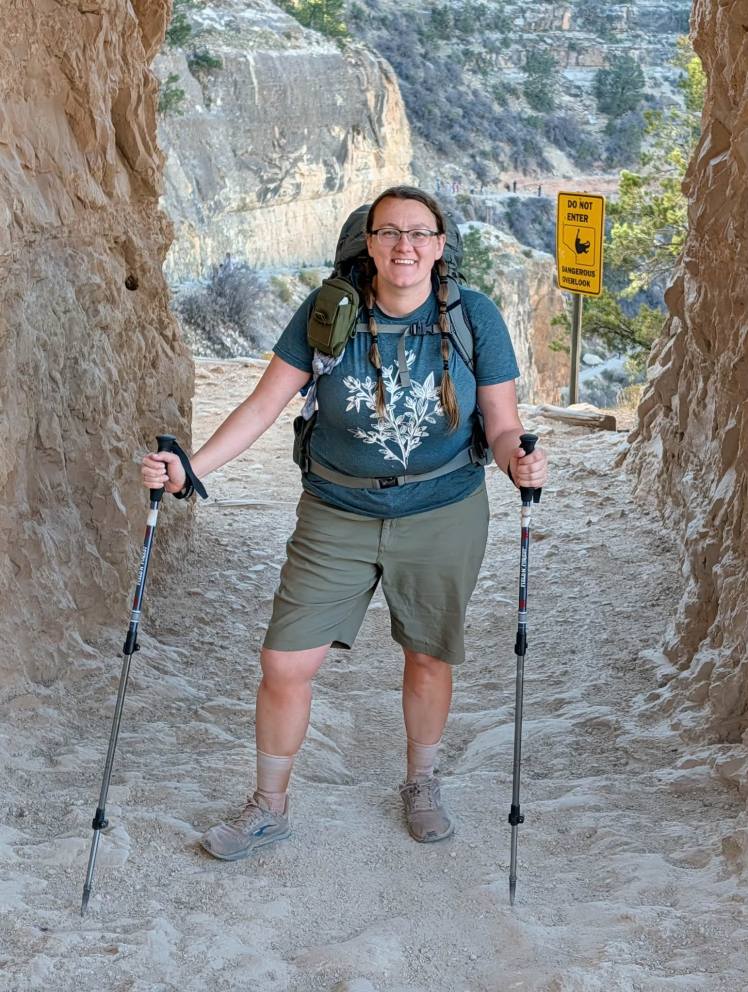
Back rolls, belly rolls, straps digging into to sides. This body isn’t perfect, but it is powerful!
4. You absolutely should try going solo sometimes! Stop letting fear be the loudest voice in your head!
There is so much fear-mongering directed at women who want to adventure alone. I know it comes from a place of love (usually). I also know that it is often rooted in an exaggerated, distorted risk perception, and that it has kept a lot of women from having the experiences they deserved to have.
The uncomfortable truth about how we assess risk is that we inflate dangers that are unfamiliar and discount the ones we live with every day. Most of us don’t think twice walking to our cars at night in our own neighborhoods, but we treat women going on a solo hike on a popular trail like they have a death wish. The news plays a big role in this, I think. When something terrible happens in a national park or a national forest, it becomes a story precisely because it is unusual. Crime in those spaces is relatively rare. Meanwhile the daily violence that happens in our own cities, our own streets, our own homes — that becomes background noise, if it is even makes it across your screens at all.
I’ll tell you something that happened to me in 2024. I was doing a lot of solo car camping, and people in my life were vocal about their worry for me. That same year, a young woman was murdered in my city. She was dismembered and part of her remains washed up near my apartment, at a beach I walk regularly. I had actually literally been there the day before they made that discovery there. Not one person in my circle who regularly sends me warnings about my solo outdoor adventures sent me anything about this women’s tragic death in my backyard. No one reached out to tell me to be safe in the park by my apartment, going to get groceries at the store just minutes away from there, or anything else. Yet just three days after her remains were discovered, two different friends sent me articles about a crime that had happened in a national park I was planning to visit. The case was six years old and got dug up into the social media scene for a true crime podcast. Yet, I live in a city where things like this happen daily and they are invisible to us. People are used to these dangers and they’ve internalized them to a big degree. We think it is far more risky to go to the woods alone than it is to go to our regular dance class at night and walk to our cars alone at 9pm. It’s not. It’s just not! What’s more, the data tells us that most violence against women is most committed by someone they know. By a partner, a family member, a co-worker, a neighbor, a friend, or an acquaintance. Heck, there’s a whole term trending right now called “Alpine Divorce” where men purposefully abandon women in remote areas! Going hiking alone is not nearly as dangerous as those who have never done it believe it to be.
I want to be clear that I am not saying precautions don’t matter. They absolutely do. Leave a detailed itinerary with someone you trust. Carry paper maps and have digital ones downloaded offline. Know the Ten Essentials and have them with you. In bear country, carry bear spray. In people country, trust your gut and carry whatever legal means of self-defense you are trained to use and comfortable with. Start working on practicing situational awareness and getting in touch with your intuition in your every day life so you can trust yourself more when out exploring on your own. These are absolutely all skills and habits you should adopt, whether you go solo or not! I’m not saying it isn’t a risk to go alone. But in the words of one of my favorite short stories about women’s adventure: “There is danger in going there alone. There is more danger in not going.”
What I’m saying is: don’t let fear, yours or anyone else’s that they’ve put on you, be the reason you never go. Solo hiking is one of the most genuinely empowering things I have done for myself. You notice more when you’re not talking. You make decisions quickly, without putting it up for discussion. You get to know yourself in a way that is difficult to access when you’re managing someone else’s experience alongside your own. You learn all the skills, because there’s no one to split them with. And there is a particular satisfaction in getting yourself somewhere hard, with no one pumping you up along the way, and knowing, with complete certainty, that you did that. You.
5. It’s ok to quit. In fact, quitting should be encouraged!
We get attached to the destination. The summit, the waterfall, the overlook, the perfect sunrise shot, the photo finish at the end of a long distance trail. We train for it, we plan for it, we spend money on it, we tell people about it. And when something goes sideways, we press on anyway because we cannot stand the idea of coming all this way for nothing.
This thinking gets people killed. It also just gets people hurt, miserable, and stranded in ways that put Search and Rescue professionals at risk too. I am not interested in sugarcoating that. Sometimes quitting is the smart thing to do. It doesn’t make you a failure!
The thing is, the outdoors will be there. The trail will be there. The waterfall isn’t going anywhere. The mountain isn’t going to get sucked back down into the Earth tomorrow. You can come back. I promise you, with very few exceptions, you can come back and try again. What you CAN’T do is undo the decision to push through when everything was telling you to stop, or undo the potentially devastating consequences that may come from that one poor decision.
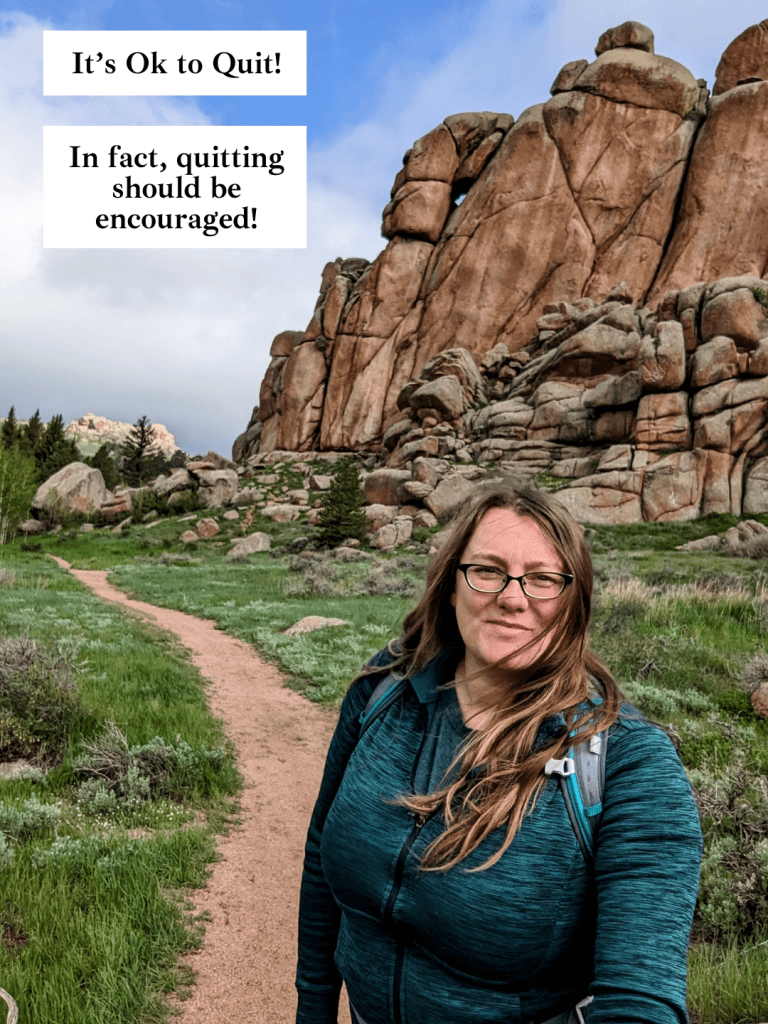
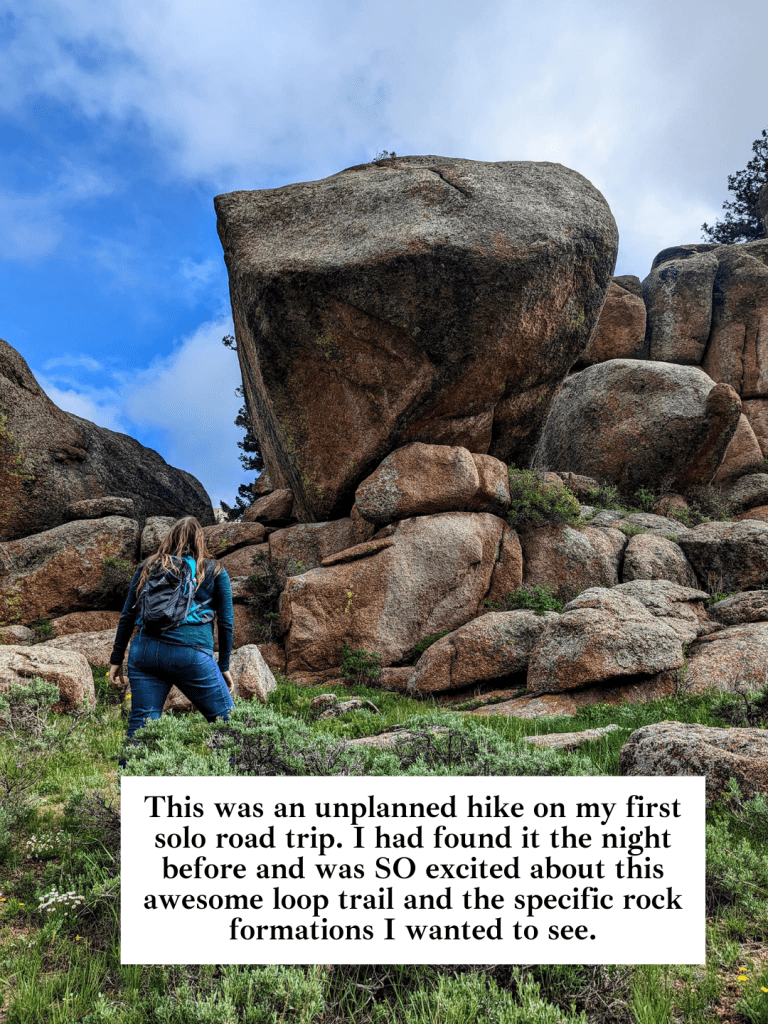
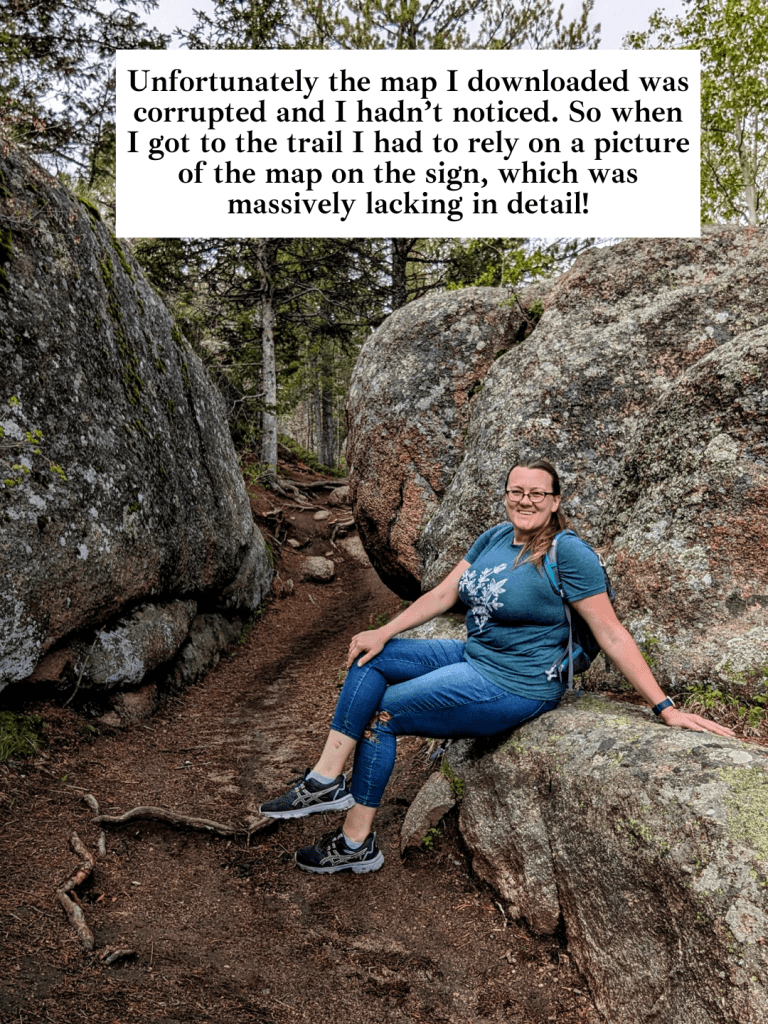
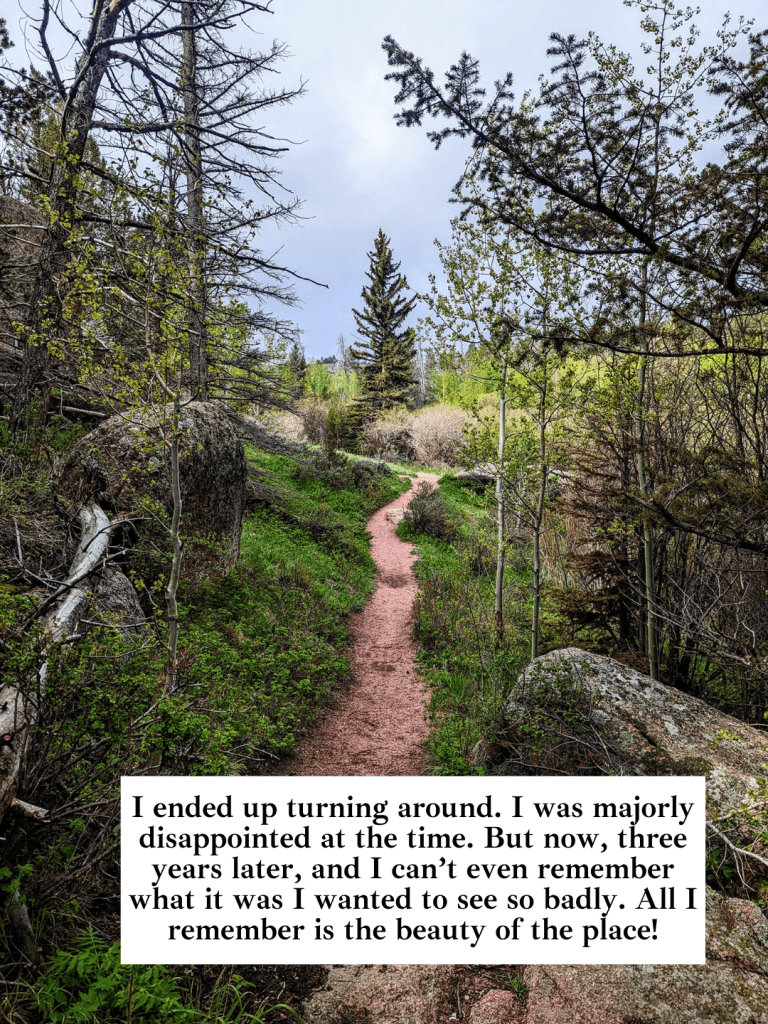
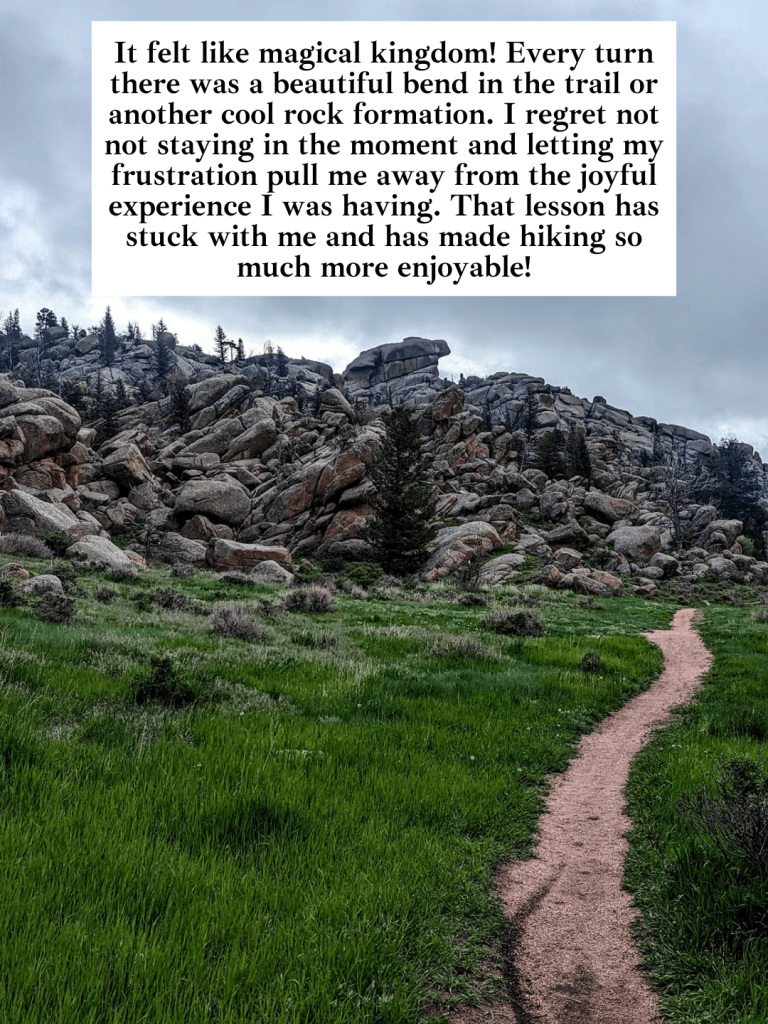
What helps me is planning for the turn-around before I leave. I call it If/Then Planning and it takes maybe ten minutes but it changes everything about how I make decisions in the moment. If I’m heading to a beautiful alpine lake but I wake up and find a storm is moving in, how will I pivot my plans? If I’m halfway up the mountain and it rolls in unexpectedly, what’s my threshold for turning around? Where are the alternate routes? If I twist my ankle on day one of a three-day trip, what’s the plan? If I start showing signs of altitude sickness, what am I gonna do? You make those calls at home, calmly, before you’re emotional and exhausted and invested in a specific outcome. Then you follow the plan you made when you were thinking clearly.
If you’ll indulge me, I’m gonna dive into the land of the cheesy for a minute (and I’m a Wisconsinite, so that’s allowed at least once per post).
At my day job, we start almost every staff meeting with a reflection. Today’s was about pilgrimages. In the story, a man sets out on a long journey to find his spiritual guru. He gets to the end where the guru should be and they say he has moved on. So he continues on and finds the guru asleep in a garden. Not wanting to disturb him, the man waits. And waits. And waits. Sitting in that stillness something shifts and peace comes over him. He leaves without ever waking the guru. He leaves without the meeting he had traveled so far to have. And yet somehow he had found exactly what he came for.
I thought it was wild that my boss chose that story to share when I had already been drafting this post with this ending, talking about the power of quitting!
What if we thought about hiking as a pilgrimage? Not a bucket list and not a thing to photograph and post to Instagram and move on to the Next Big Thing. A pilgrimage, where every step carrying meaning. Every mile with something to teach you, something to show you, whether or not you ever reach The Thing at the end. The light on the water at hour two when you thought you were too tired to notice. The stranger you talked to for twenty minutes on a switchback who said something you needed to hear. The moment your brain finally went quiet for the first time in weeks. Those things happened. They were real. They WERE the point. So that even if you never make it to the summit, or even if you do and the vista is completely obscured by fog, you still had a meaningful experience out on the trail.
But here’s the catch, and I think it’s important: you only get that if you let yourself receive it. If you leave the trail furious that you had to turn around, you will miss it! The magic was there but you missed it because you were stuck in your head and in your rigid plan and in your own expectations. The guru was there the whole time, because the guru IS you and it is nature itself. You have to be willing and open to find what you actually came for, which is often not what you even set out to do and see in the first place.
Discover more from An Ordinary Odyssey
Subscribe to get the latest posts sent to your email.
